The Interior Question Every Hawaii Car Owner Faces
When shopping for a vehicle in Hawaii — or evaluating your current car's interior — the leather vs. cloth question comes up with a Hawaiian twist: both materials have real vulnerabilities in a tropical climate, and the care requirements are different from what mainland advice typically covers.
Let's break down what actually happens to each material in Oahu's environment.
Leather in Hawaii: The Threats
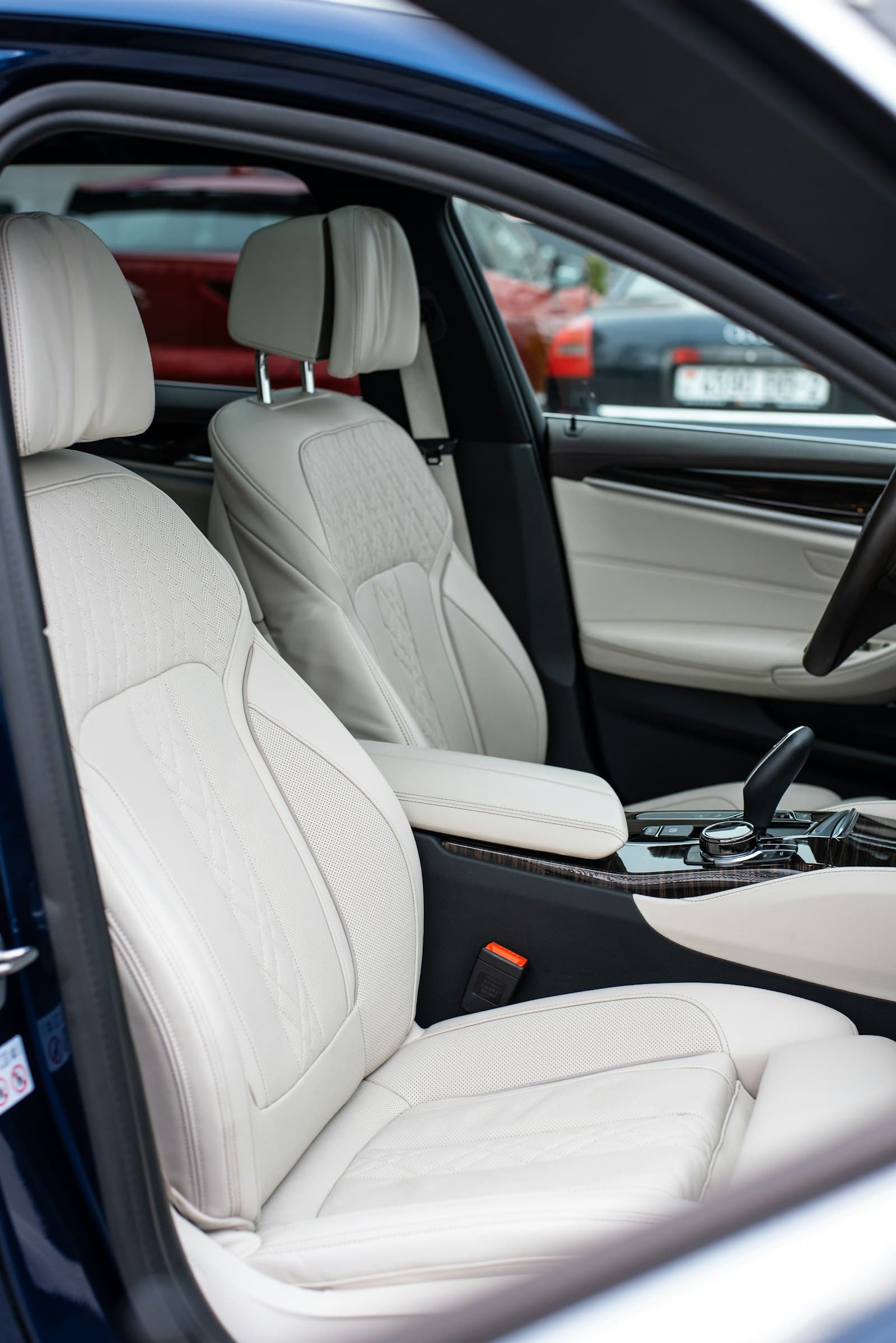
Leather interiors look premium and are genuinely durable when maintained correctly. In Hawaii, leather faces specific challenges:
UV degradation: Oahu's UV index is consistently high, particularly from May through September. UV radiation breaks down leather's molecular structure, causing it to stiffen, crack, and fade. This happens faster in Hawaii than in most U.S. climates.
Heat and humidity cycling: Hawaii's combination of daytime heat (especially in direct sun) and nighttime humidity creates a daily expansion-contraction cycle that stresses leather fibers over time.
Salt air penetration: Near-coastal environments expose leather to salt air that can dry out natural oils, accelerating brittleness.
Sunscreen and chemical exposure: In Hawaii, vehicles frequently carry people fresh from beach visits. Sunscreen chemicals are destructive to leather, stripping natural oils and causing discoloration.
How to Care for Leather in Hawaii
Leather conditioning in Hawaii should happen every 2–3 months (versus every 6 months in drier climates). The process should include:
Regular conditioning extends leather life dramatically. Neglected leather in Hawaii can show visible cracking within 2–3 years. Well-maintained leather lasts the life of the vehicle.
Cloth/Fabric Seats in Hawaii: The Threats
Cloth seats are common in everyday vehicles and have their own Hawaii-specific vulnerabilities:
Sand infiltration: Beach visits load cloth seat fabric with fine sand that works its way deep into the weave. This creates a gradual grinding effect that abrades fabric fibers over time.
Moisture and mildew: Oahu's humidity — particularly on the windward side — means wet clothing, beach gear, and general humidity load cloth seats with moisture. Without proper drying, mildew develops in the fabric, creating the musty odors that windward residents know well.
UV fading: Cloth doesn't crack like leather, but it fades. Brighter cloth interiors exposed to direct Hawaiian sun lose color saturation significantly over a few years.
Stain permanence in heat: Stains set faster in warm climates. A coffee spill that might lift easily in a cooler climate can bond semi-permanently to cloth in Hawaii's heat.
How to Care for Cloth Seats in Hawaii
Seat shampoo with hot-water extraction is the most effective treatment — pulling sand, moisture-harboring debris, and staining compounds out of the fabric rather than just spraying the surface.
For vehicles with regular beach and outdoor use, a shampoo service every 3–4 months prevents sand and moisture damage from compounding. Interior carpet shampoo should be done on a similar schedule.
Side-by-Side Summary for Hawaii
|--------|---------|-------|
Both Need Professional Attention in Hawaii
The common thread: both leather and cloth interiors in Hawaii need more frequent professional care than mainland equivalents. The environment is simply more demanding. Mobile detailing from Net Automotive Detailing makes that easier — we come to you anywhere on Oahu for interior services tailored to your specific interior type. Get your free quote today.