
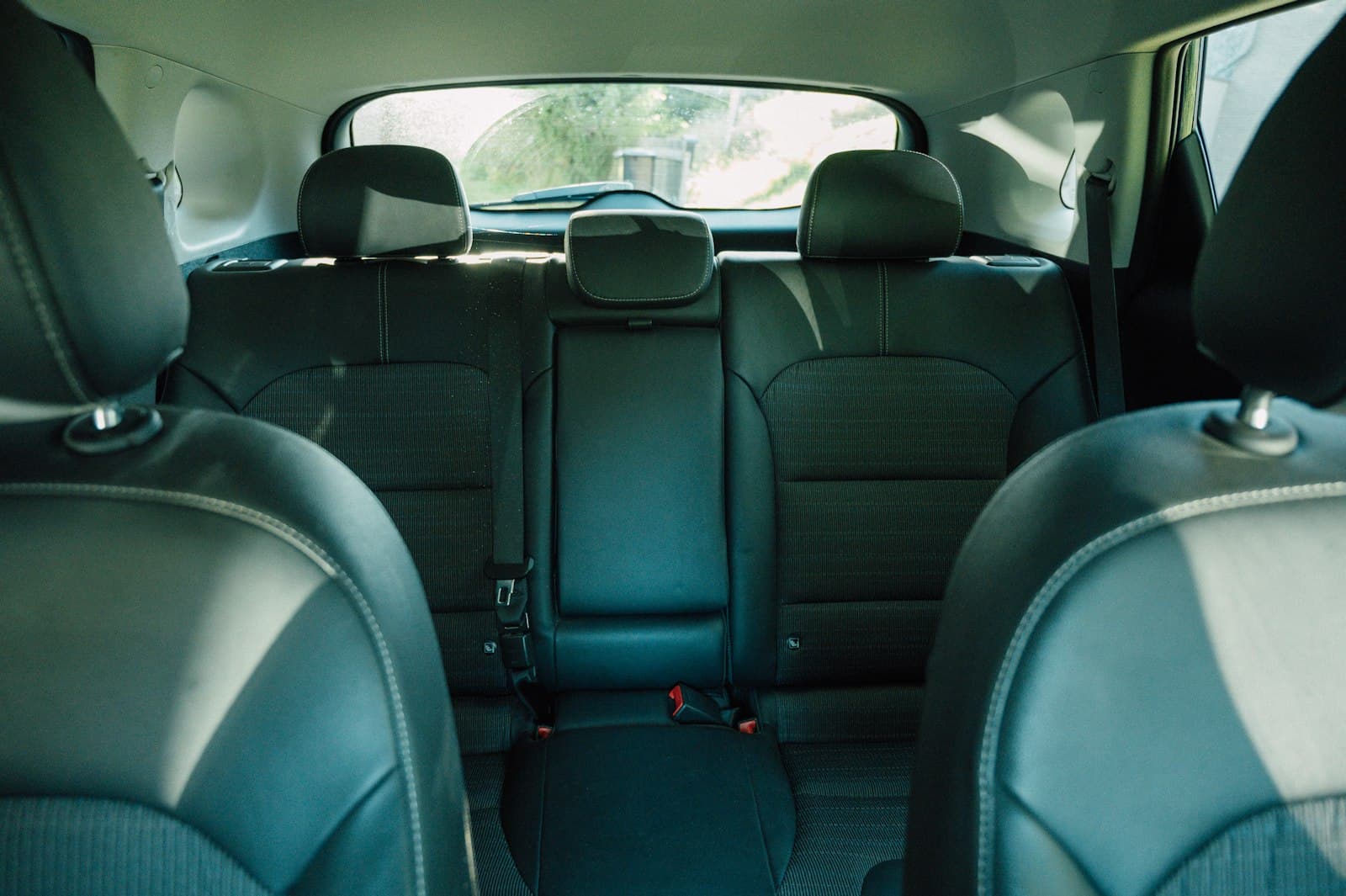
Is Mold a Problem in Hawaii?
Yes. Mold in a car in Hawaii is a common problem, and the reason is simple: mold needs moisture, warmth and something to feed on, and a closed car on Oahu can supply all three. Warm temperatures year-round, high humidity, frequent rain on the windward side, and the habit of tossing wet beach gear in the back seat all create the right conditions.
The good news is that most cases start small. If you catch mold early, find out where the moisture is coming from, and dry the car out, you can often stop it before it spreads. This guide covers how to recognize mold, what usually causes it, how to safely deal with small amounts yourself, and when it's time to bring in professionals.
Signs You Have Mold in Your Car
Mold isn't always obvious. Watch for these signs:
If you notice a musty smell but can't see anything, the source may be under the carpet, in the seat foam, or in the air conditioning system. Our guide to musty car smells covers how to track it down.
Where Mold Likes to Hide
When you're checking a car, don't stop at what's visible from the driver's seat. Mold often starts in places that stay damp and dark:
Lift the mats, pull a seat belt all the way out, and look under the trunk floor. Those few minutes can tell you a lot about where the moisture is coming from.
What Causes Mold in Cars on Oahu
Mold is always a moisture problem first. The most common sources are:
Windward rain. Communities on the windward side and in the valleys, like Kaneohe, Kailua, Waimanalo and Manoa, get far more rain than leeward areas. Windows left cracked during a passing shower, wet umbrellas and soaked shoes all bring water inside. Our Kaneohe windward detailing tips go into more detail on rain-belt car care.
Leaks. Worn door or window seals, clogged sunroof drains, a failing windshield seal, or a clogged AC drain line can let water collect under the carpet where you can't see it.
Wet beach and surf gear. Towels, wetsuits, boogie boards and rash guards left in a closed car overnight are one of the most common causes of mold and mildew in island cars.
Spills. Drinks, milk and food that soak into carpet or seat foam give mold both moisture and food.
Cars that sit. A car left closed for weeks, whether you're traveling, deployed or just not driving much, can trap humidity and develop mold even without a specific leak.
Over-wet DIY cleaning. Soaking seats or carpets and then closing the car up before they're dry is an easy way to start a mold problem.
How to Get Mold Out of Car Seats and Carpet (Small Areas Only)
If you're dealing with a small, surface-level spot and no one in your household has health concerns about mold, you can usually handle it yourself. If anyone has asthma, allergies or a weakened immune system, talk to a doctor and consider leaving the cleanup to someone else.
Protect Yourself First
Then Clean Carefully
For leather, use a pH-balanced leather cleaner rather than vinegar or household sprays, then condition the leather afterward so it doesn't dry out.
When to Call a Professional for Car Mold Removal on Oahu
DIY makes sense for a small spot you caught early. Call in professionals when:
It's worth being clear about who does what. Detailers clean the surfaces you can reach: carpets, seats, panels and trim. Net Automotive Detailing can deep clean the interior with an interior detail, carpet shampoo and seat shampoo, including odor treatment. We are not a certified mold remediation company. Leaks and AC drain problems need a mechanic or body shop, and a car with extensive or flood-related mold may need padding or upholstery replaced, which is a job for an upholstery shop or, where it applies, your insurer. A good detailer will tell you honestly when a problem goes beyond cleaning.
How to Prevent Mold in Your Car in Hawaii
Prevention is mostly about keeping water out and letting air in.
Frequently Asked Questions
Is mold in a car dangerous?
Mold can bother some people, especially those with allergies, asthma or other health conditions. If you have concerns about your health, talk to a doctor. Either way, it's best to clean mold up promptly and fix the moisture problem behind it.
Can I use bleach to kill mold in my car?
It's not recommended. Bleach can discolor and damage upholstery and carpet, and it should never be mixed with ammonia or other cleaners. Use a mild cleaner, extract the moisture, and dry the area thoroughly.
Why does my car keep getting moldy?
Recurring mold almost always points to an ongoing moisture source, such as a leak, a clogged drain, wet gear or a car that stays closed in humid weather. Find and fix the source, then clean.
Can a car detailer remove mold?
Detailers can deep clean and deodorize surface areas like carpets, seats and panels. Extensive mold in padding or foam, or mold caused by flooding, may need upholstery replacement or a remediation specialist.
Get Your Interior Clean and Dry Again
If your car has a musty smell or a few spots of mold from rain or beach gear, Net Automotive Detailing can deep clean the interior at your home or workplace anywhere on Oahu, and we'll tell you honestly if something needs a different kind of specialist. Quotes depend on vehicle size, condition and the services needed.
Or call us directly at (808) 777-8964. We serve all of Oahu, by appointment, seven days a week.