
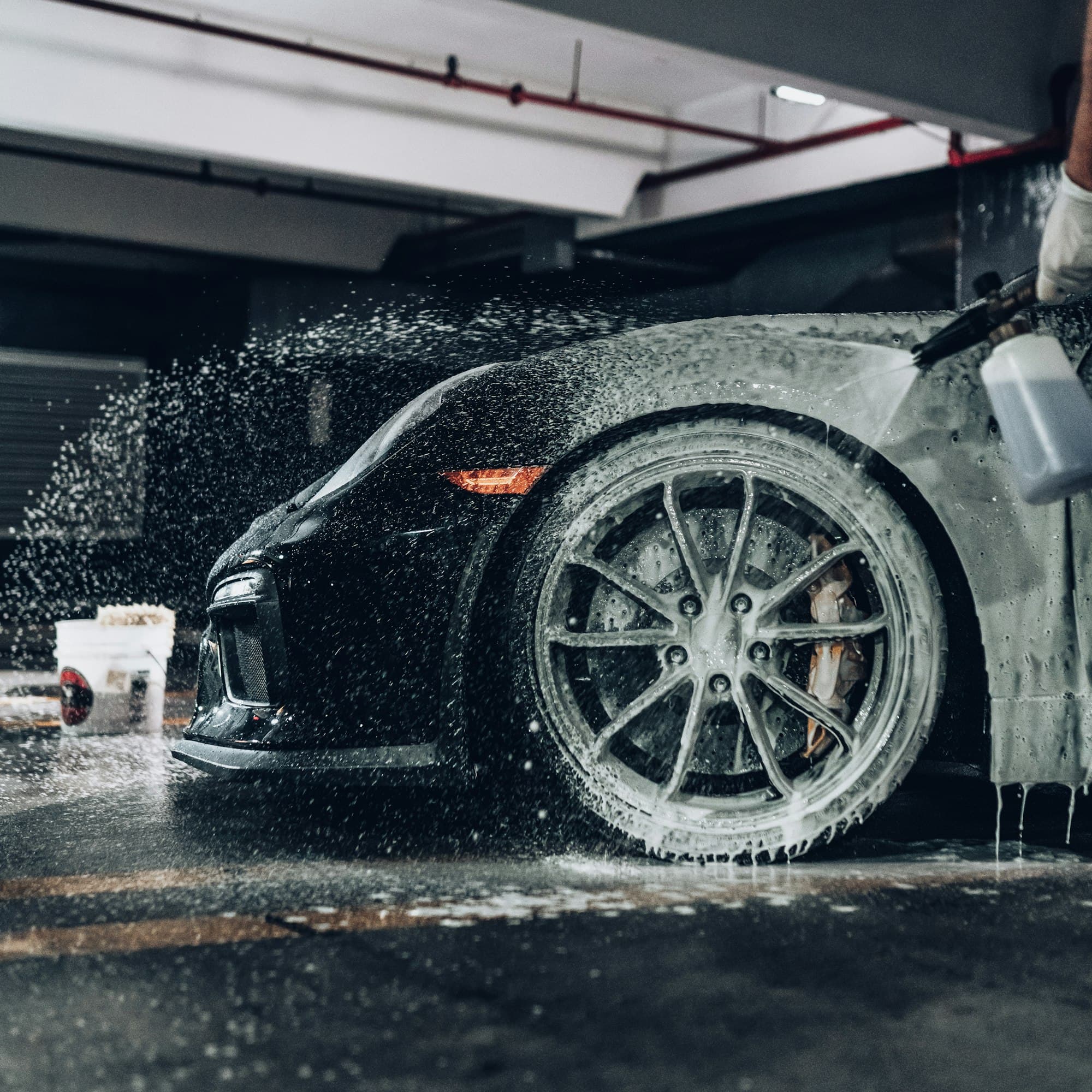
Do Cars Rust in Hawaii? Yes, and Here's Why
It surprises a lot of people moving to the islands from the mainland. Hawaii doesn't get snow, and there's no road salt spread on the highways. So do cars rust in Hawaii? They do. The reason is the ocean itself.
On an island, salt is in the air. Waves breaking along the shoreline throw fine salt spray into the air, and trade winds carry it inland. That salt settles on your car as a thin film, and whenever it combines with moisture from rain, dew or humidity, it creates the conditions that speed up corrosion of bare metal. On Oahu, almost nowhere is very far from the coast.
Modern cars are far better protected against rust than older ones, so this isn't a reason to panic. But salt air exposure for your paint and undercarriage is a real, everyday factor here, and owners who understand it can keep their cars looking good for many years.
How Salt Air Causes Rust
Rust is iron oxidizing: steel reacts with oxygen and water. Salt doesn't cause rust on its own, but it accelerates it. Salt dissolved in water makes that water conduct electricity much better, which speeds up the electrochemical reaction that eats steel. Salt also attracts moisture, so a salty surface stays damp longer than a clean one.
So when people ask "do cars rust in Hawaii faster than on the mainland," the honest answer is that it depends on where the car lives and how it's cared for. In Hawaii, the ingredients are all there most of the year: salt in the air, warm temperatures and high humidity. That's why rust here often shows up in places the owner never sees until it's advanced.
Where Car Rust Starts in Hawaii
Car rust in Hawaii tends to start in the same handful of places.
Underneath the car
The undercarriage is the most exposed part of the car and the least cleaned. Exhaust components, brake lines, suspension parts, the subframe and fasteners all collect salt and moisture. Surface rust on some of these parts is normal on many vehicles, but it's worth keeping an eye on.
Rock chips and scratches
Paint and clear coat are what keep steel body panels from rusting. A rock chip from the H-1, a key scratch, or a door ding that cracks the paint exposes bare metal. In salt air, that tiny spot can start to bubble and spread under the surrounding paint.
Wheel wells and lower panels
Wheel wells, rocker panels and the lower edges of doors catch road spray, sand and mud. Debris that packs into these areas holds moisture against metal.
Door jambs, hood edges and trunk seams
Water collects in seams and drain channels. If drain holes clog with leaves or sand, water sits there. Hem flanges along door bottoms and hood edges are common places for rust to start.
Brake rotors
If you've ever noticed an orange film on your brake rotors after the car sits for a day or two, that's flash rust. On cast iron rotors it's normal everywhere and usually wipes clean the first few times you brake. In salty, humid air it simply shows up faster.
Who Is Most at Risk on Oahu?
Every car on the island gets some salt exposure, but some situations are tougher than others:
We go deeper into coastal living in our post on Kailua salt air detailing.
How to Protect Your Car From Salt Air
You can't avoid salt air on Oahu, but you can stop it from sitting on your car. Here is how to protect car from salt air exposure with a realistic routine.
1. Wash regularly, and rinse thoroughly
Regular washing is the single most important habit. It removes the salt film before it has time to work. How often depends on where you live and park. Our post on how often to get an exterior detail in Hawaii covers that question in detail. A proper hand wash with a full rinse is far better than a quick wipe, because wiping a salty, dusty car dry can scratch the paint.
2. Rinse the undercarriage
Rinsing underneath the car with fresh water helps flush salt and sand from the areas you can't see. Some car washes offer an underbody spray, or you can use a hose with an angled wand at home. Pay attention to wheel wells and behind the bumpers. Do this more often if you drive on the beach-side roads, launch a boat or park near the surf.
3. Keep the paint protected
A layer of wax or sealant acts as a barrier between salt and your clear coat and makes salt easier to wash off. In Hawaii's sun, that layer wears off faster than on the mainland, so it needs renewing. Our exterior spray wax is a practical way to keep that barrier in place.
4. Decontaminate the paint periodically
Salt and airborne fallout can bond to paint so firmly that washing doesn't remove them. If your paint feels rough after a wash, a clay bar treatment lifts that bonded contamination so wax can bond properly.
5. Fix chips and scratches early
Touch up rock chips and scratches that reach bare metal as soon as you can. A small bottle of touch-up paint matched to your color code is inexpensive. For larger damage, see a body shop before rust spreads under the paint.
6. Clean door jambs and drains
Open the doors, hood and trunk and wipe out the jambs, sills and seams. Check that drain holes at the bottoms of doors and around the sunroof are clear of leaves and sand.
7. Don't forget wheels
Brake dust and salt together are hard on wheel finishes and lug nuts. Regular rim detailing keeps wheels clean and lets you spot corrosion on the finish early.
8. Consider professional undercoating for high-exposure cars
Rust-proofing and undercoating products from automotive service shops can add extra protection underneath, particularly for trucks, older vehicles and cars parked right on the coast. Ask a reputable mechanic or rust-proofing shop whether it makes sense for your vehicle. This isn't a service we offer, but it's worth knowing about.
Spotting Rust Early
Every few months, take a few minutes to look for:
Your mechanic can also look underneath when the car is on a lift for an oil change or tire rotation. Ask them to point out anything concerning.
How Detailing Fits In
Detailing doesn't repair rust, and anyone who tells you otherwise is overselling. What regular detailing does is keep salt from sitting on your paint, wheels and jambs, keep your protective wax layer intact, and give a trained eye a close look at the car on a regular basis. Our exterior detail includes a two-bucket hand wash, wheel and tire cleaning, and door jamb and sill cleaning, which are exactly the areas where salt likes to hide. Because we're mobile, we come to you, so keeping up with the routine doesn't cost you a trip across town.
Frequently Asked Questions
Do cars rust faster in Hawaii?
Cars near the ocean in Hawaii are exposed to salt air year-round, combined with warm temperatures and humidity, all of which speed up corrosion of exposed metal. Regular washing and paint protection slow it down considerably.
Does Hawaii use salt on the roads?
No. Hawaii doesn't salt its highways the way snowy mainland states do. The salt that affects cars here comes from ocean spray carried by the wind.
How often should I wash my car to prevent rust in Hawaii?
It depends on where you live and park. Cars near the coast need washing more often than cars parked inland or under cover. Rinsing the undercarriage periodically also helps.
Is surface rust on brake rotors normal?
Yes. A thin orange film on brake rotors after the car sits is normal flash rust and usually disappears after a few stops. Persistent grinding or pulsing should be checked by a mechanic.
Keep Salt From Sitting on Your Car
A consistent cleaning routine is one of the simplest ways to protect your car from Oahu's salt air. Tell us about your vehicle, where you park and what you'd like done, and we'll send a quote based on its size, condition and the services you need.
Or call us directly at (808) 777-8964. We serve all of Oahu, by appointment, seven days a week.