
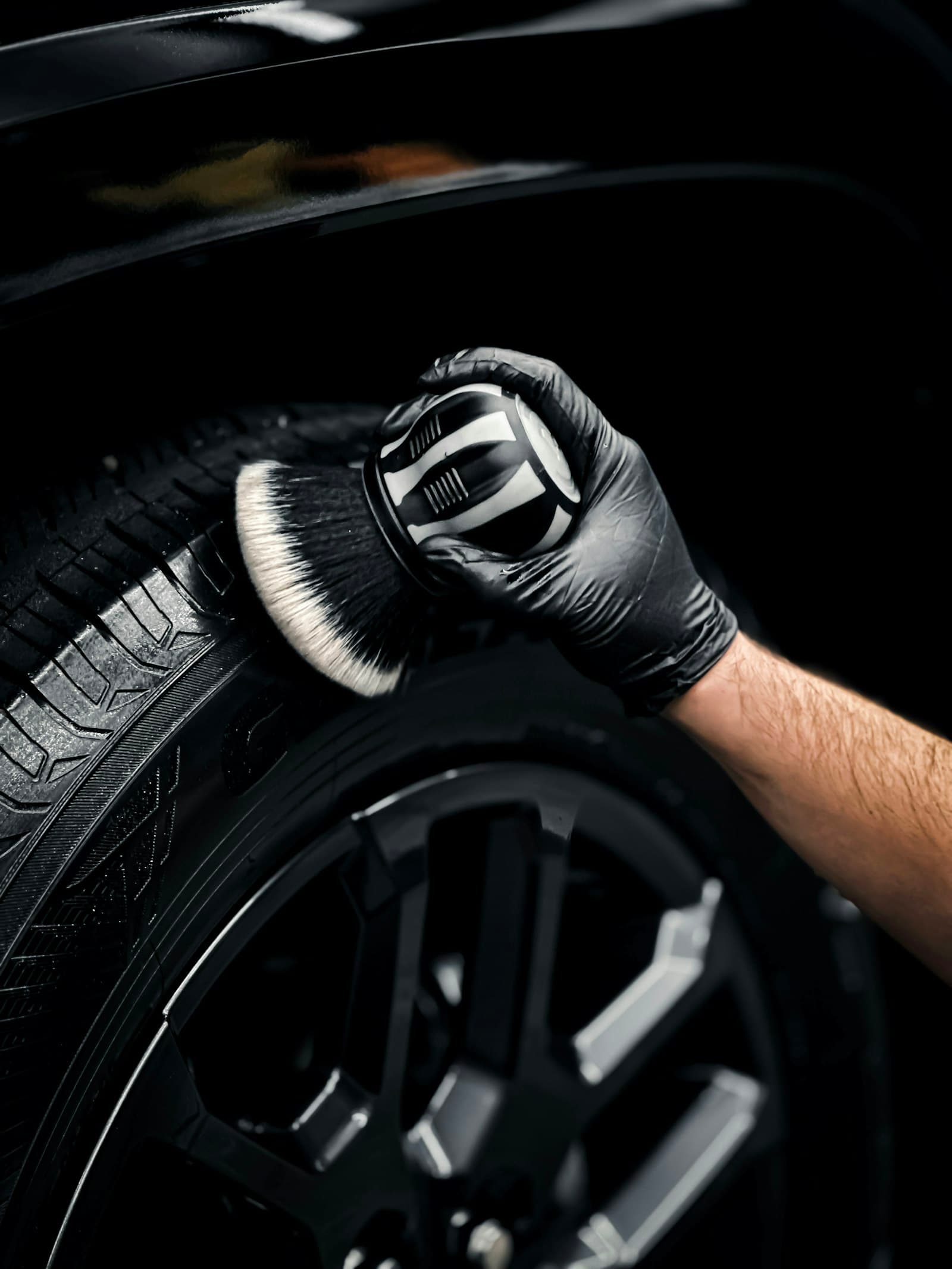
How to Remove Red Dirt From Car Paint, Wheels and Carpet: The Quick Version
Anyone who has driven a muddy road in central Oahu or come back from a rainy hike knows that red dirt doesn't behave like ordinary dirt. It clings, it stains, and if you scrub it the wrong way, it spreads. The good news is that most red dirt comes off cars just fine if you treat it correctly and don't wait too long.
Here is how to remove red dirt from car surfaces in a nutshell:
The sooner you act, the easier it is. Red dirt that sits in carpet for weeks or bakes onto paint in the sun is much harder to deal with.
Why Hawaii's Red Dirt Stains So Badly
Red dirt in Hawaii gets its color from iron oxides. Many of Hawaii's soils formed from volcanic rock that weathered over a very long time in a warm, wet climate, leaving behind clays rich in iron and aluminum. The iron oxides are what make the soil red, and they're also what make it such a stubborn stain.
Two things make red dirt a hawaii car problem in particular:
On Oahu you're most likely to pick up red dirt in central areas such as Wahiawa and the former plantation lands around Kunia and Mililani, on unpaved roads and trailheads, at job sites, and at North Shore spots after rain. Construction workers, hikers, farmers, off-roaders and anyone with kids who play sports on muddy fields will recognize it.
Removing Red Dirt From Paint
Red mud on paint usually looks worse than it is. The mud itself is not harmful to modern clear coat, but the clay particles act like fine sandpaper if you rub them across the surface. That's where the damage comes from.
Step 1: Rinse first, and generously
Rinse the whole car from the top down, spending extra time on the lower panels, rocker panels and behind the wheels where mud collects. If the mud has caked on, let water soak it for a few minutes and rinse again. You want as much clay gone as possible before anything touches the paint.
Step 2: Pre-soak if you can
A foam cannon or pump sprayer with car shampoo, left to dwell for a few minutes, helps lift remaining film off the surface. Don't let it dry on the paint, especially in direct sun.
Step 3: Hand wash with the two-bucket method
Use one bucket of soapy water and one of clean rinse water, and rinse your mitt after every panel. Wash the dirtiest lower sections last. If your mitt looks orange, switch to a clean one.
Step 4: Check for residue
Light-colored cars sometimes show a faint orange tint in panel gaps, around emblems and on textured trim after washing. A soft detailing brush with car shampoo handles most of it. If the paint still feels rough after washing, a clay bar treatment removes bonded contamination safely, and our clay bar explainer shows what that process looks like.
What about staining on paint?
On well-maintained clear coat, red dirt rarely leaves a permanent stain. On older, oxidized or porous paint, and especially on white or light-colored vehicles, a faint tint can remain. Protecting the paint with wax or sealant makes the surface slicker and much easier to clean next time. A regular exterior spray wax adds that slick layer, and it's one of the simplest answers to how to remove red dirt from car paint more easily on every future wash.
Wheel Wells, Wheels and Undercarriage
Wheel wells are where red dirt really piles up. Mud packs into the plastic liners and onto suspension parts, and once it hardens it can trap moisture against metal, which is something you don't want in Hawaii's salty air.
If you're preparing a vehicle for shipping off-island, wheel wells and undercarriage matter even more, because carriers and agricultural inspectors look for soil. Our PCS car shipping guide covers that in detail.
How to Remove Red Dirt From Carpet
Removing a red dirt carpet stain is where most people make things worse. The instinct is to grab a wet towel and scrub immediately. Resist it.
1. Let wet mud dry
Wet red mud smears and spreads deeper into fibers when you rub it. If the mud is still wet, let it dry completely. You can speed this up by opening the doors on a sunny day.
2. Break it up and vacuum
Once it's dry, break up the clumps with a stiff brush and vacuum thoroughly. A lot of the "stain" is actually loose clay that will come out dry. Take your time here, because every bit you vacuum out is pigment you don't have to fight later.
3. Blot with cool water
Dampen a clean white microfiber towel with cool water and blot the remaining stain, working from the outside in so you don't spread it. Hot water can help set some stains, so keep it cool for this step.
4. Use a fabric-safe cleaner
Apply a carpet or upholstery cleaner made for automotive use, following the label. Some products are formulated for clay and mineral stains and can work better on red dirt than general-purpose cleaners. Test in a hidden spot first, let it dwell, agitate gently with a soft brush, and blot again. Repeat a few times rather than scrubbing hard once.
5. Rinse and dry thoroughly
Blot with clean water to remove cleaner residue, then dry the area as thoroughly as possible. Leftover soap attracts new dirt, and damp carpet in Oahu's humidity can start to smell.
What not to do
The same approach works for fabric seats: dry, vacuum, blot, gentle cleaner, rinse. On leather, wipe red dirt off with a damp microfiber and a leather-safe cleaner as soon as possible, because the fine clay can settle into the grain. Seat shampoo is the professional option for fabric seats with set-in staining.
When to Call a Professional
DIY works well for fresh, light red dirt. Consider a professional detail when:
Professional carpet shampoo uses hot-water extraction, which flushes the fibers and pulls the dirty water back out, rather than just moving the stain around. We'll be honest: some long-set red dirt stains on light carpet can be lightened a great deal but not always erased completely. We'll tell you what to realistically expect before we start.
Preventing Red Dirt Damage
Frequently Asked Questions
Does red dirt permanently stain cars?
On healthy, protected paint it usually washes off. On carpet, fabric, light-colored trim and older paint, red dirt can stain because its iron oxide pigment soaks into the material. Quick action makes a big difference.
What removes red dirt from carpet?
Let it dry, vacuum out the loose clay, then blot with cool water and an automotive carpet cleaner. Repeat gently. For set-in stains, hot-water extraction from a professional works best.
Can I use bleach on red dirt stains in my car?
No. Bleach can discolor automotive carpet and upholstery and doesn't remove iron oxide pigment. Use a fabric-safe automotive cleaner instead, and never mix chemicals.
Is red dirt bad for my car's paint?
The dirt itself isn't corrosive to clear coat, but the fine clay particles scratch paint if you wipe or scrub them off dry. Always rinse thoroughly before washing.
Let Us Handle the Red Dirt
Whether it's a work truck from a job site or a family SUV after a muddy soccer season, we can get your car back in shape. Quotes depend on your vehicle's size, its condition and the services you choose, so tell us what you're working with.
Or call us directly at (808) 777-8964. We serve all of Oahu, by appointment, seven days a week.